Your Skin Barrier Is Damaged. Here’s How to Fix It.
If your skin suddenly feels different more sensitive, more reactive, more unpredictable it’s probably not your skin type changing. It’s your barrier asking for help. The skin barrier is the outermost protective layer of your skin. Its job is simple but powerful: keep hydration in, keep irritants out. When it’s healthy, your skin looks calm, balanced, and naturally glowing. When it’s damaged, everything feels harder. Moisturiser doesn’t seem enough. Breakouts appear randomly. Redness lingers. Your skin feels dry and oily at the same time. And the mistake most people make? They add more products. When what their skin actually needs is less and better.
What Damages Your Skin Barrier (More Than You Realise)
Barrier damage rarely comes from one dramatic mistake. It builds gradually through habits that seem harmless:
- Over-cleansing
- Harsh scrubs
- Frequent exfoliation
- Trying too many new products
- Heat, sun exposure, and dehydration
- Long hours in air conditioning
In Pakistan’s climate especially, constant shifts between heat and indoor cooling accelerate moisture loss. Your skin works overtime to protect itself. Eventually, it weakens. When that protective layer is compromised, your skin cannot retain water properly. It becomes reactive, inflamed, and dull. Not because it’s “bad.” Because it’s exhausting.
Signs Your Skin Barrier Is Damaged
You don’t need a dermatologist to recognise it. Common signs include:
- Tightness even after moisturising
- Sudden sensitivity to products you used before
- Persistent redness
- Small breakouts that don’t heal quickly
- Dull, uneven texture
- Skin that feels dry and oily at the same time
This combination confuses many people. They treat dryness with stronger products. They treat breakouts with harsher actives. Which weakens the barrier further.
Step One: Stop Overstimulating Your Skin
The first step in repair is reduction. Pause exfoliation. Avoid harsh cleansers. Stop switching products frequently. Your skin cannot repair itself while constantly being challenged. Choose gentle cleansing that removes buildup without stripping natural oils. A mild cleanser like Dirt Away Facewash supports cleanliness without aggression. Repair begins when irritation stops.
Step Two: Rebuild Hydration From the Inside Out
Barrier repair is impossible without hydration. When your skin has enough water, it repairs faster and holds nutrients better. Layering light hydration first such as Dew Drops Face Mist helps restore immediate comfort and prepare your skin to absorb deeper treatments. Follow with a barrier-supportive serum like the Dragon Fruit Niacinamide Face Serum. Niacinamide helps reduce inflammation, strengthen the barrier, and improve moisture retention over time. This is not an instant glow. This is structural repair.
Step Three: Seal and Protect
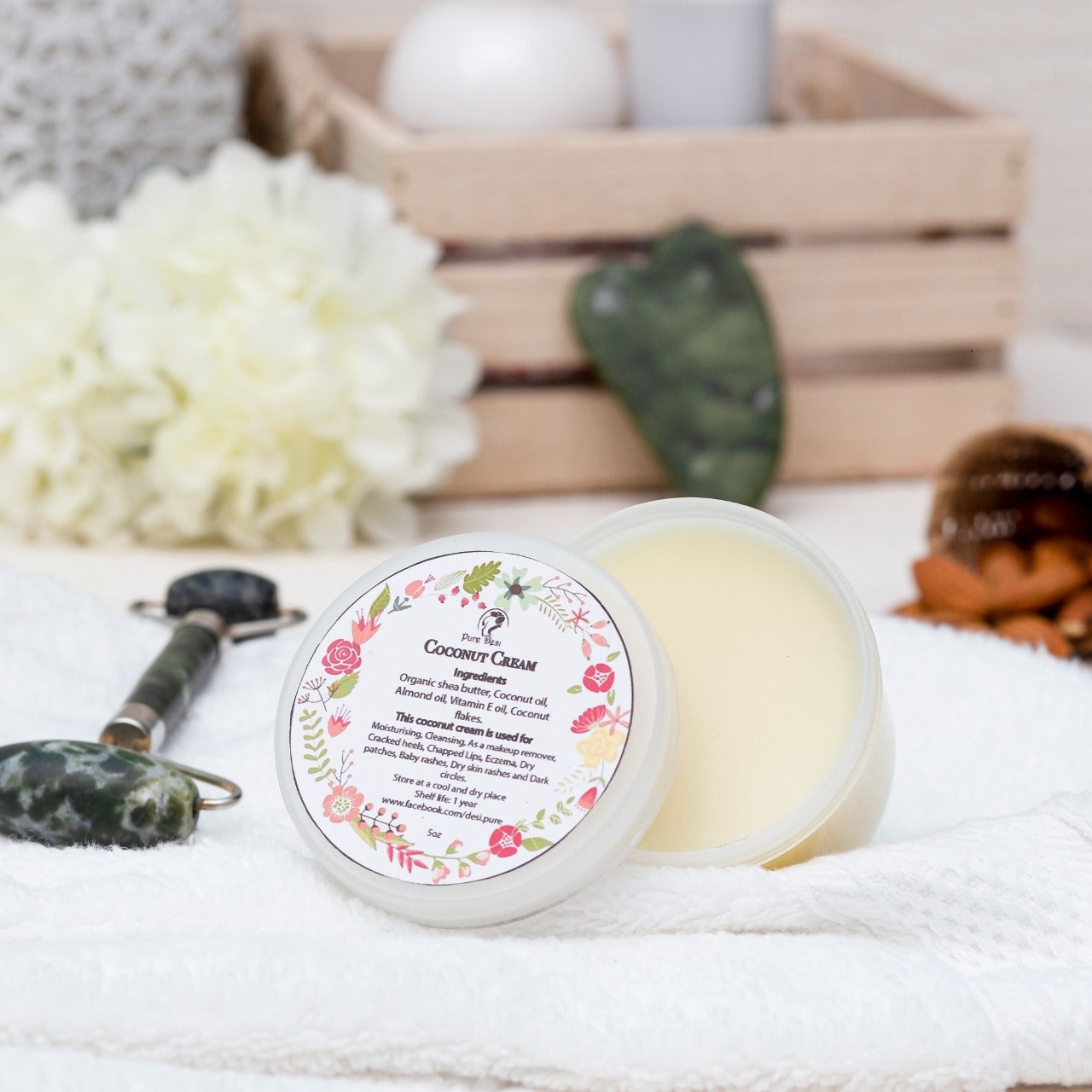
Hydration must be sealed to prevent further water loss. A nourishing moisturiser like Coconut Cream reinforces your barrier and protects against environmental stress. It creates a supportive layer that allows your skin to recover instead of constantly defending itself. Over time, tightness reduces. Redness calms. Texture smooths. Your skin stops reacting. It starts stabilising.
Barrier Repair Takes Patience But It Works
Skin barrier repair is not dramatic. It’s subtle. One day you realise your skin doesn’t sting anymore. It doesn’t feel tight by afternoon. It doesn’t break out from small changes. It feels steady. And steady skin glows differently. Not because it’s overloaded. Because it’s healthy. Your skin barrier is not fragile. It’s intelligent. When damaged, it asks for calm, hydration, and consistency. When supported, it remembers how to function beautifully. And once your barrier is strong again, everything else becomes easier.